Peptide Coa Library: Third-party Set Lab Outcomes
Just How To Check Out A Certificate Of Evaluation Coa For Peptide Study
Each set is produced under strict quality controls with recorded treatments at every action. Products used by Peptides Resource are not authorized by the U.S . These items have actually not been evaluated by the FDA for safety, efficacy, medical diagnosis, treatment, avoidance, or treatment of any kind of disease or medical problem.- Comprehending how to check out these reports is, for that reason, a fundamental part of collaborating with peptides for scientific research.
- A COA, or certification of analysis, is a file that summarizes screening and quality-related details for a particular set or lot.
- When just in-house COAs are offered, validate the supplier's credibility through neighborhood evaluations and consider independent screening for crucial applications.
Welcome To The Certification Of Evaluation (coa) Page For Blend Peptides
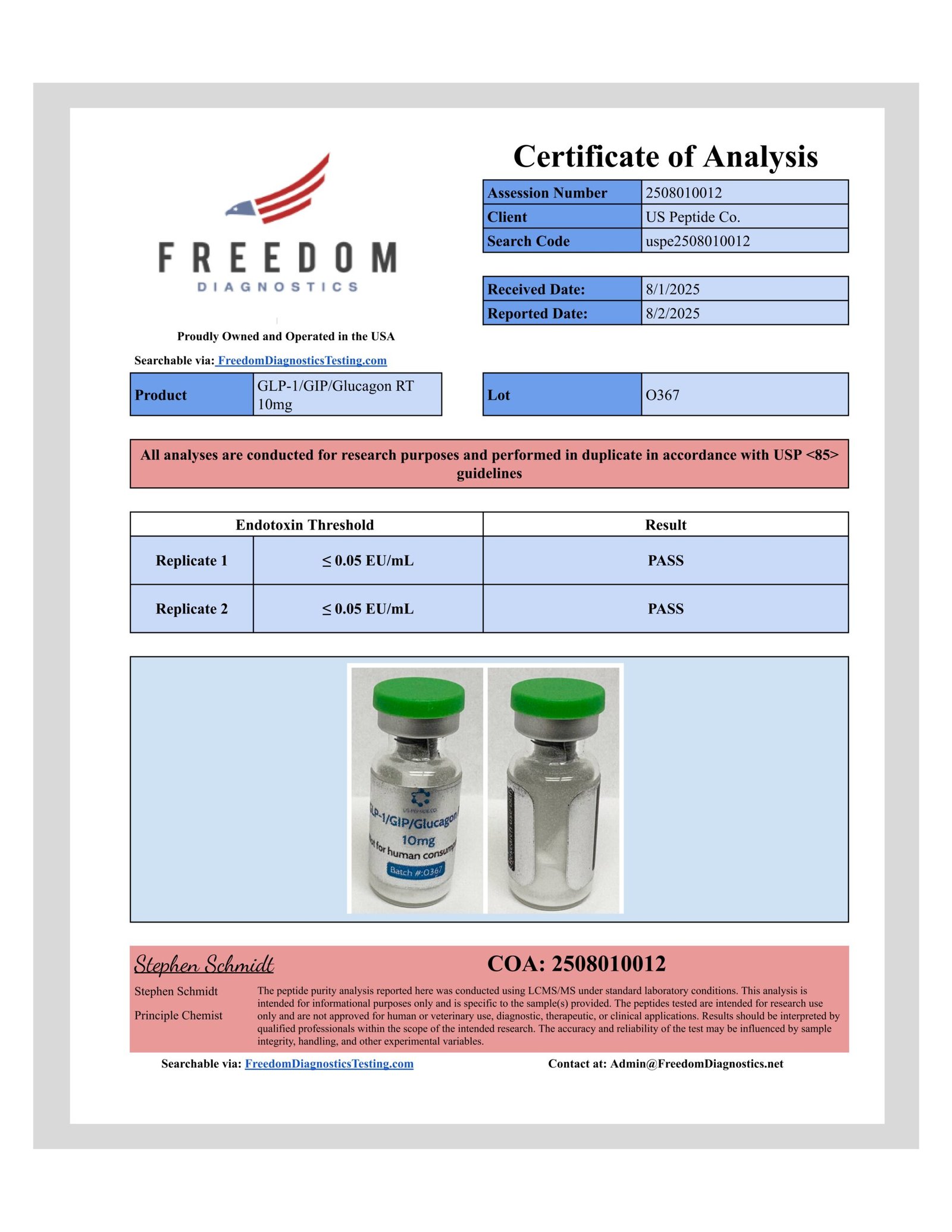
Example format of a peptide certification of analysis utilized to record analytical screening results for study compounds. DN Laboratory Research prioritises third-party screening as component of its quality framework. Every peptide batch is supported by logical paperwork that reflects transparent, reproducible testing criteria which is offered upon request.
✔ Logical Outcomes For That Batch
Look for ISO accreditation for screening labs, as this global basic makes certain skills in calibration and screening. Suit this number to the COA header to ensure you are viewing Have a peek at this website the appropriate report. If you had to pick one "non-negotiable" past great deal match, would it be endotoxin limit or QR-verifiable report?
Understanding Certifications Of Evaluation (coas)
Trifluoroacetic Synthetic Peptides acid generally continues to be in peptides as a counterion from HPLC filtration. Levels below 1% are normally taken into consideration acceptable for study objectives. TFA can be exchanged for acetate or hydrochloride salts if specific applications call for TFA-free products, though this usually raises expense. A COA reflects screening executed at a specific time and remains valid for that batch throughout its specified shelf life, assuming correct storage problems. However, degradation can take place with time or with inappropriate handling, so COA validity presumes the product has been stored according to maker specifications.
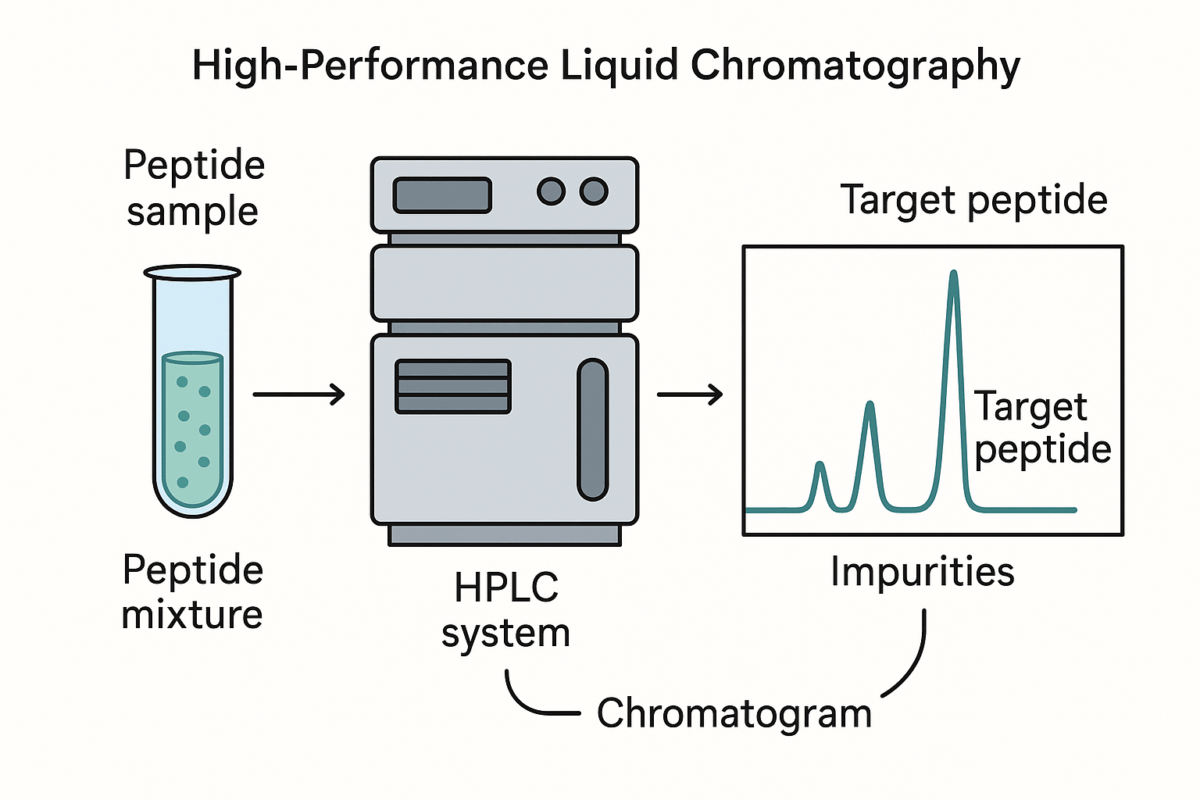
Supplier-provided COAs from internal screening lug intrinsic disputes of rate of interest. Third-party COAs from recognized independent research laboratories provide higher dependability. When just internal COAs are offered, validate the provider's track record with neighborhood evaluations and think about independent testing for essential applications. HPLC separates the peptide sample right into its constituent elements based upon their chemical residential or commercial properties, producing a chromatogram that displays optimals corresponding to different substances present. The main top represents the target peptide, while smaller peaks show contaminations, synthesis byproducts, or destruction products.Each COA is individually tested with Janoshik Analytical and Trustpointe Analytics, verifying batch pureness, fill weight, and substance identification. Each Certificate of Evaluation undertakes a considerable evaluation process to confirm product stability. This report lays out vital details such as substance identification, batch number, and molecular framework verification. Additionally, our COAs contain results from HPLC-MS testing, which confirms the identification of the material via precise analytical strategies. Even with a clear process in place, it's very easy to miss tiny information, especially for laboratories dealing with peptides in cooler weather.
Outcomes are recorded in a Certificate of Evaluation, readily available with every item you purchase. Recognize the essential elements of peptides, their distinction from healthy proteins, their significance in organic study, and much more. Independent screening eliminates problems of interest and strengthens self-confidence in logical accuracy. Unexpected adjustments may indicate degradation or incorrect storage space.Matrix-Assisted Laser Desorption/Ionization Time-of-Flight (MALDI-TOF) and Electrospray Ionization (ESI) represent the two key mass spectrometry techniques utilized for peptide evaluation. Both approaches ionize the peptide particles and determine their mass-to-charge ratio, creating a spectrum that serves as a molecular fingerprint. Some COAs include the real chromatogram image, which gives visual verification of pureness insurance claims.